Reliable foundation and structural solutions designed to protect your home and provide lasting strength.
Effective waterproofing and drainage solutions to keep your basement dry, clean, and protected from moisture.
Quality repairs and preventative solutions that help create a safer, healthier, and more secure living environment.
Built on quality workmanship and lasting solutions, helping you enjoy greater comfort and peace of mind for years to come.
Most homeowners assume a wet basement means something has leaked. Usually nothing has. The water in your basement is groundwater, and it is being pushed in by pressure from the soil outside your foundation walls.
Chicago sits on dense glacial clay. Clay does not drain, it holds water. When it rains hard or the spring thaw arrives, the soil around your foundation saturates and swells, and the weight of all that trapped water presses against your basement walls and up beneath your floor slab. That force is called hydrostatic pressure, and it will find any weakness there is. A hairline crack. A gap where the floor meets the wall. A collapsed clay drain tile from 1925 that has not worked properly in decades.
Sealing the crack from the inside does not stop that pressure. It just redirects it somewhere else in the wall.
Chicago Basements Waterproofing & Foundation has spent 30 years solving these problems properly, with interior and exterior drainage, structural repair and foundation systems built for what Chicago soil actually does.

At Chicago Basements Waterproofing and Foundation, we provide reliable basement waterproofing, foundation repair, crack repair, drainage, and structural solutions for homes and businesses. Our experienced team focuses on quality workmanship, durable materials, and long-lasting protection for your property.
Steel piers driven down to load bearing soil to permanently support and stabilize a settling foundation. The long term structural answer where a house is sinking.
Extending and strengthening an existing foundation to carry more load or reach stable soil. Also the route to lowering a basement floor for added headroom.
New drainage installed to carry groundwater away from your foundation. Most Chicago homes over fifty years old have original clay drain tile that has cracked, collapsed or filled with roots.
Sealed vapor barriers, insulation and drainage that turn a damp crawl space into a dry one. Stops the moisture, mold and cold floors that come from a ventilated crawl space in a Chicago winter.
Tuckpointing, brick replacement, lintel repair and concrete restoration. Chicago freeze thaw cycles work on mortar joints every single winter.
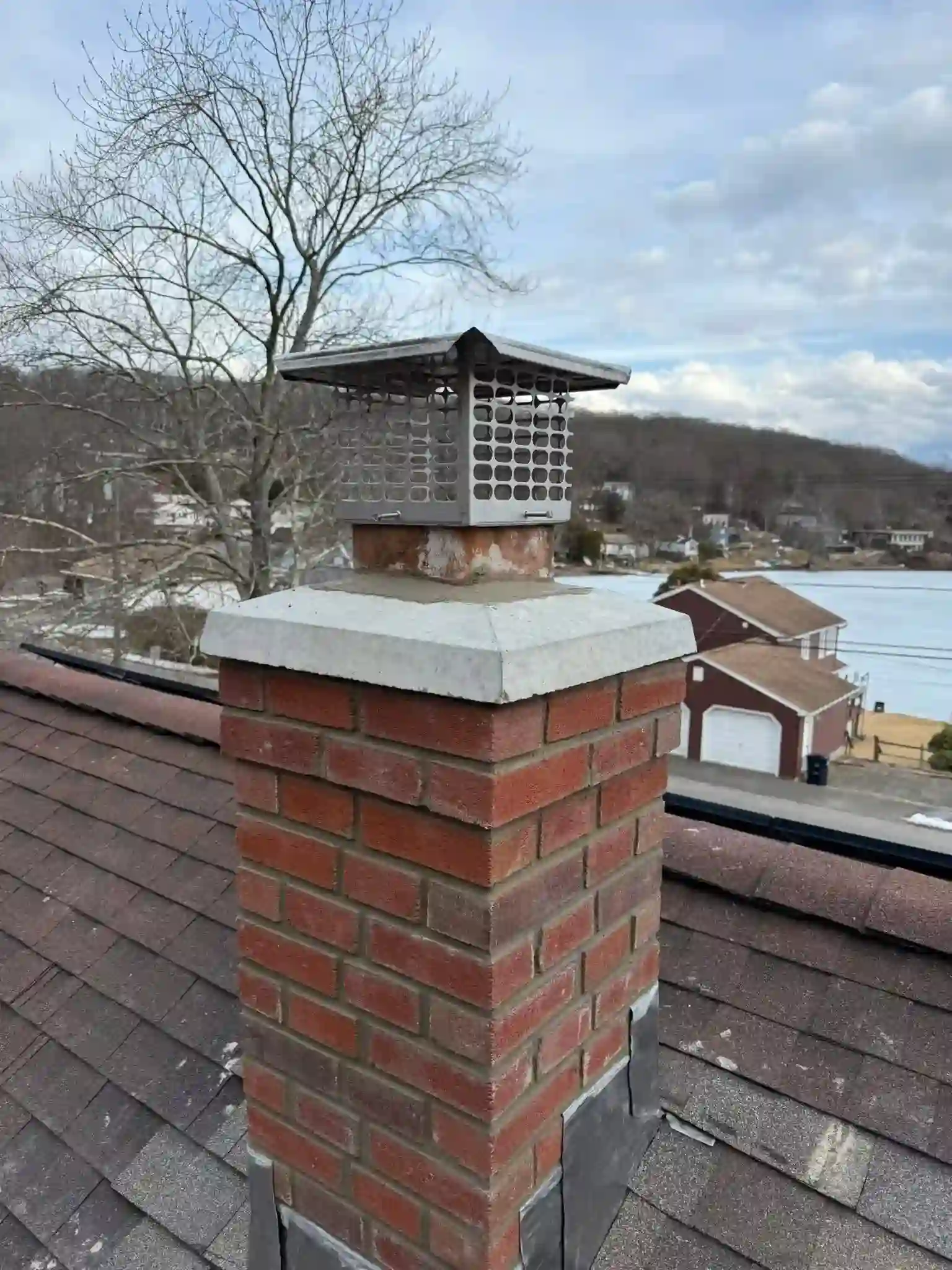
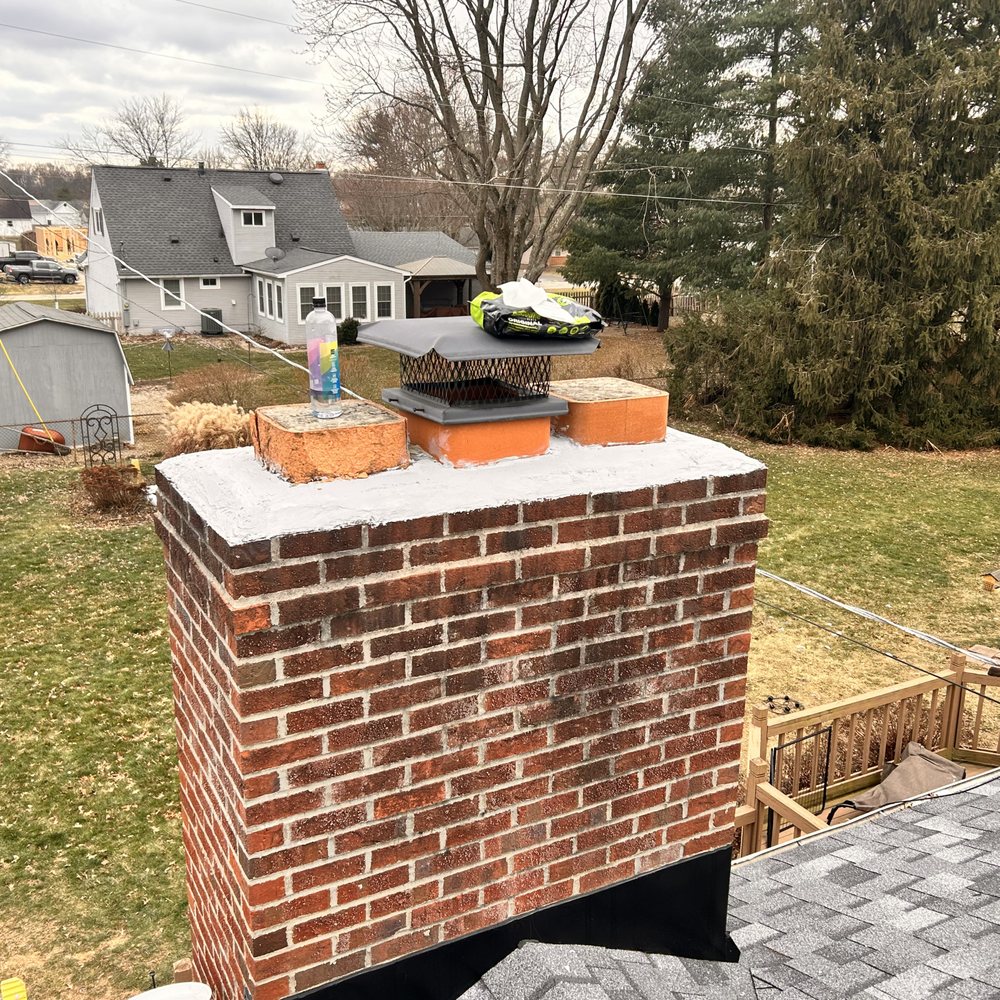
Rebuilds, crown repair, flashing and tuckpointing. A deteriorating chimney is both a safety issue and one of the most common paths for water into a Chicago home.
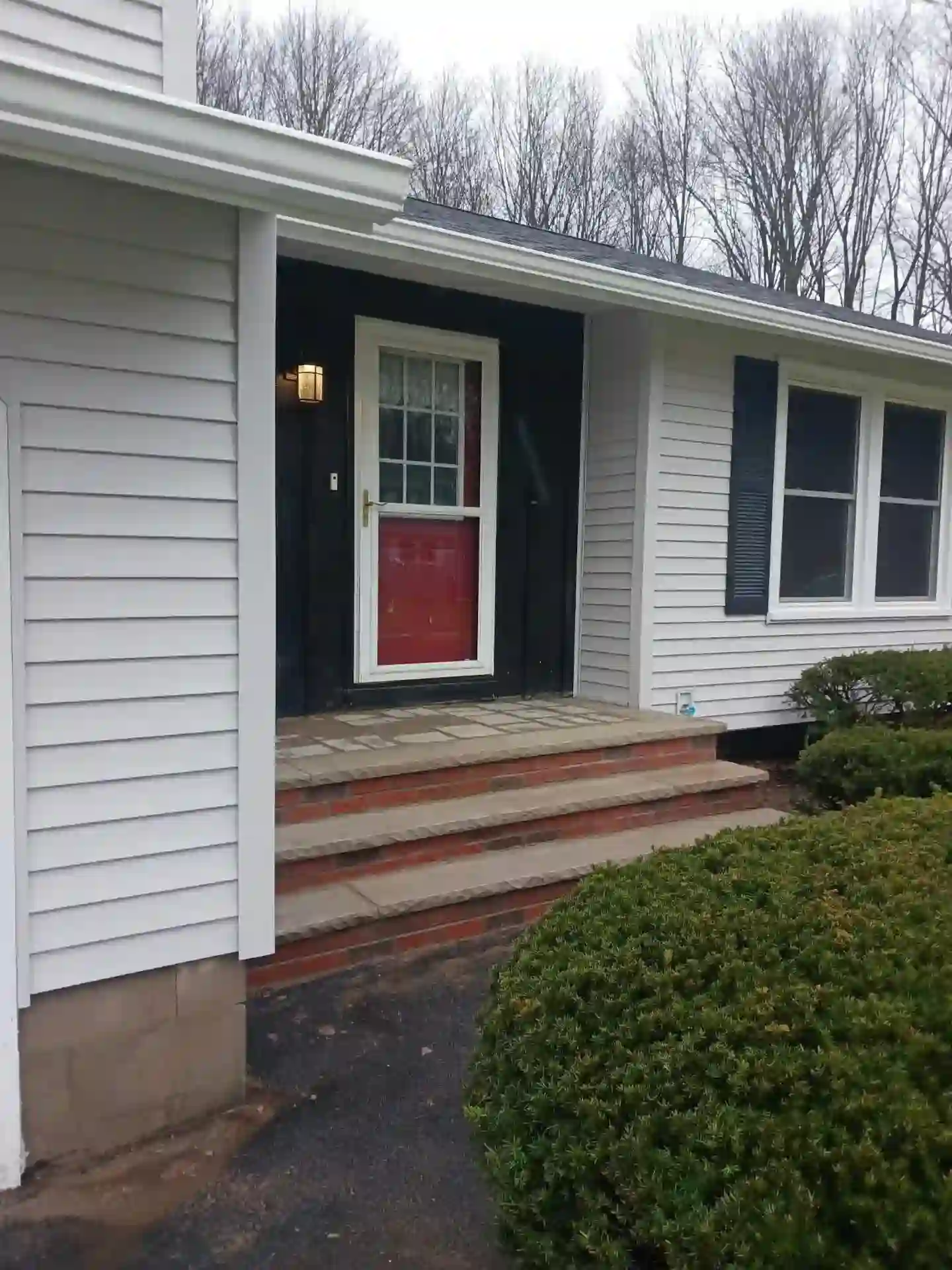
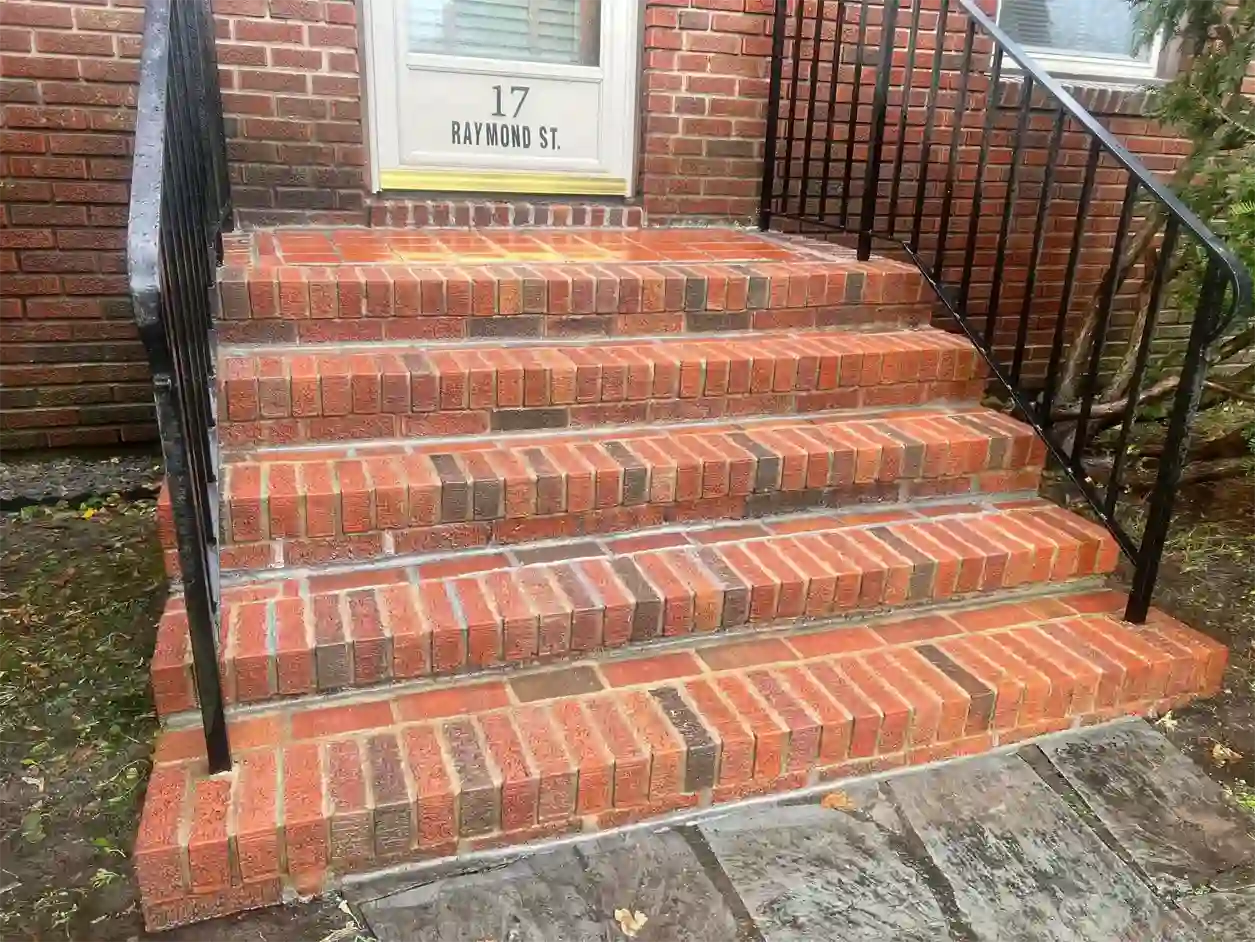
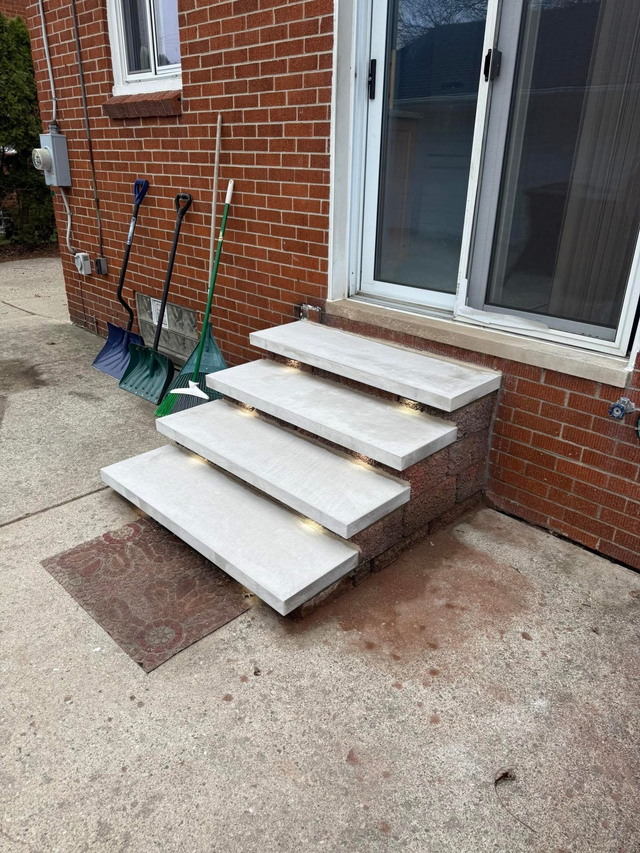
Front steps, stoops and porches repaired or rebuilt. Spalling concrete and loose treads are a genuine liability, and they are the first thing anyone sees.
Polyurethane and epoxy injection that seals the water pathway and bonds the concrete back to structural strength. Not a surface patch.
Roof repair and replacement, siding repair and installation. Keeping water out of the building from the top down as well as the bottom up.
Correctly sized pumps installed and tested, with battery backup. A summer storm that floods your basement is often the same storm that takes your power out, which is exactly when the pump is needed most.
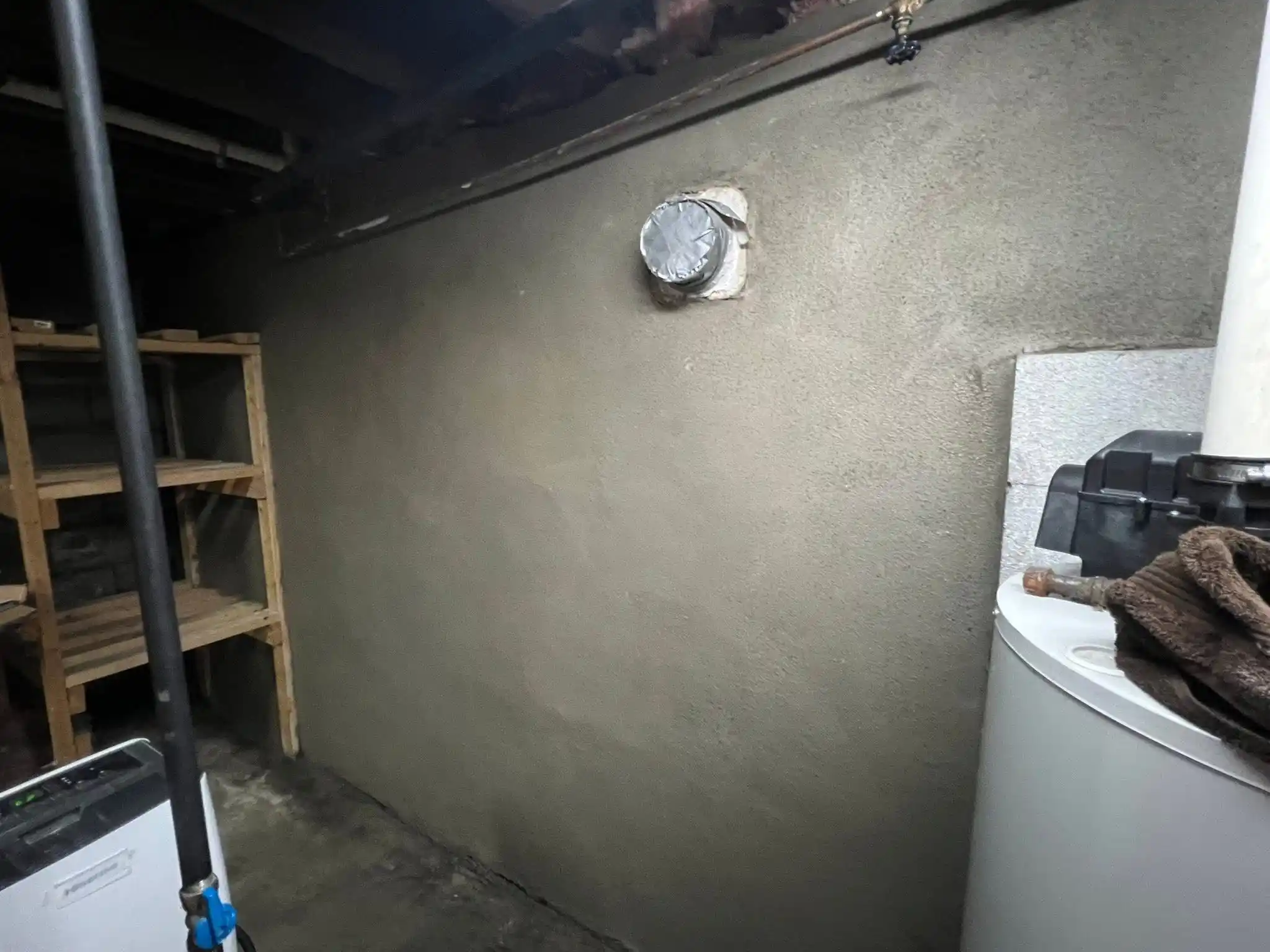
Professional drywall repair and finishing, including restoring a basement after water damage or a waterproofing installation.
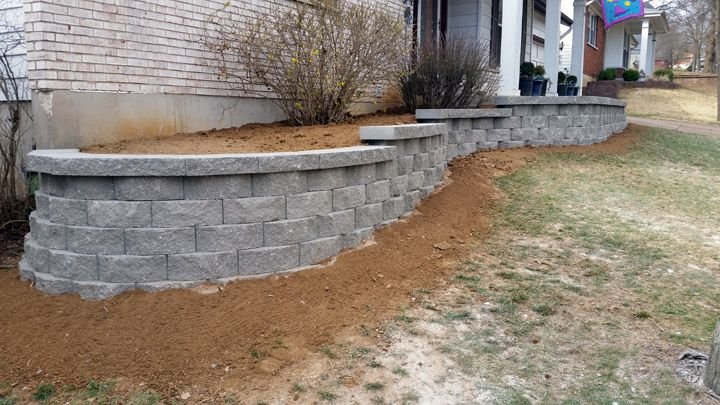
Full service masonry including brick, block, stone and structural work. Expert craftsmanship for lasting results.
Relax knowing our work is backed by a reliable 30-year warranty and guaranteed service.
Dependable masonry and home improvement services praised with 5-Star Google Reviews.
Experienced masonry professionals trusted by verified HomeAdvisor homeowners.
Top-quality home improvement solutions recommended by the Houzz community.
Certified masonry experts trusted and verified by Bark clients.
✔ Water on the basement floor after heavy rain or during the spring thaw
✔ A musty or damp smell in the basement or crawl space
✔ White chalky staining on foundation walls, known as efflorescence
✔ Horizontal cracks in a foundation wall, which are the serious kind
✔ Stair step cracking through block or brick
✔ A basement wall that is bowing, bulging or leaning inward
✔ Cracks in drywall above doorways and windows on the main floor
✔ Doors and windows that stick or no longer close square
✔ Sloping or uneven floors
✔ A sump pump that runs constantly, or no sump pump at all
✔ Water coming up through the floor drain during storms
✔ Gaps opening between the chimney and the house
✔ Crumbling mortar joints or spalling brick
✔ Standing water in window wells
Two of these need attention now. A horizontal crack and a bowing wall both mean the wall is losing its fight against the soil pressure outside. Unlike a vertical crack, they do not stabilize on their own. They get worse every wet season and every freeze.
Chicago is built on dense glacial clay that does not absorb water, it holds it. When your home was built, a hole larger than the foundation was dug and then backfilled with that same excavated soil. That backfill is looser than the undisturbed clay around it, so water runs down through it and collects in a ring against your foundation walls. Contractors call it the clay bowl effect, and it means your house is effectively sitting in a bathtub every time it rains hard.
Water gets into a hairline crack, freezes, expands, and makes the crack slightly bigger. Chicago goes through this cycle dozens of times each winter, and a crack that let in a trickle three years ago is a real problem by now. The same cycle destroys mortar joints, spalls brick and breaks up concrete steps.
Frozen clay absorbs almost nothing. Snow and ice melt well before the ground does, so all that water has nowhere to go except along the surface and down against your foundation. It is why so many Chicago basements that were dry all winter are wet in March.
Chicago's bungalow belt, its two flats and its greystones were largely built between 1900 and 1940, long before modern waterproofing existed. Original drain tile was clay, laid in short sections, and after a century most of it has cracked, shifted or filled with tree roots. Many of these homes have no exterior membrane at all.
Much of Chicago runs a combined sewer system, where storm water and sanitary waste share the same pipes. When a heavy summer storm overwhelms it, the system can back up into basements through floor drains. That is a different failure to foundation seepage, and it needs a different solution, which is why identifying which one you have matters before anyone quotes you.
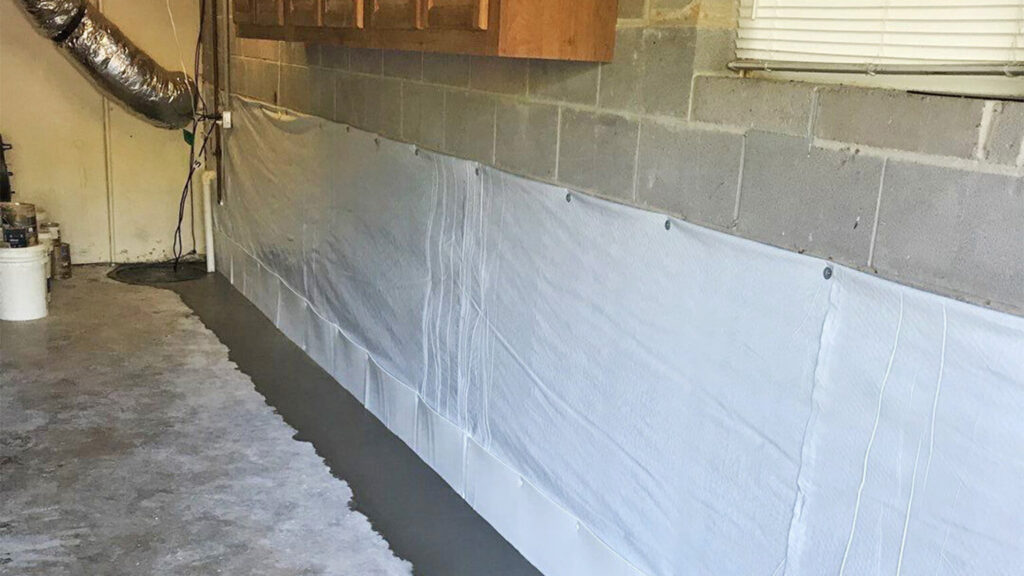
Interior systems install drainage inside the basement perimeter, below the floor, channeling water to a sump pit where it is pumped out. Less disruptive, no excavation, faster to install, and effective at managing water that has already reached the foundation. It does not stop water reaching the wall, it stops the water damaging your basement.
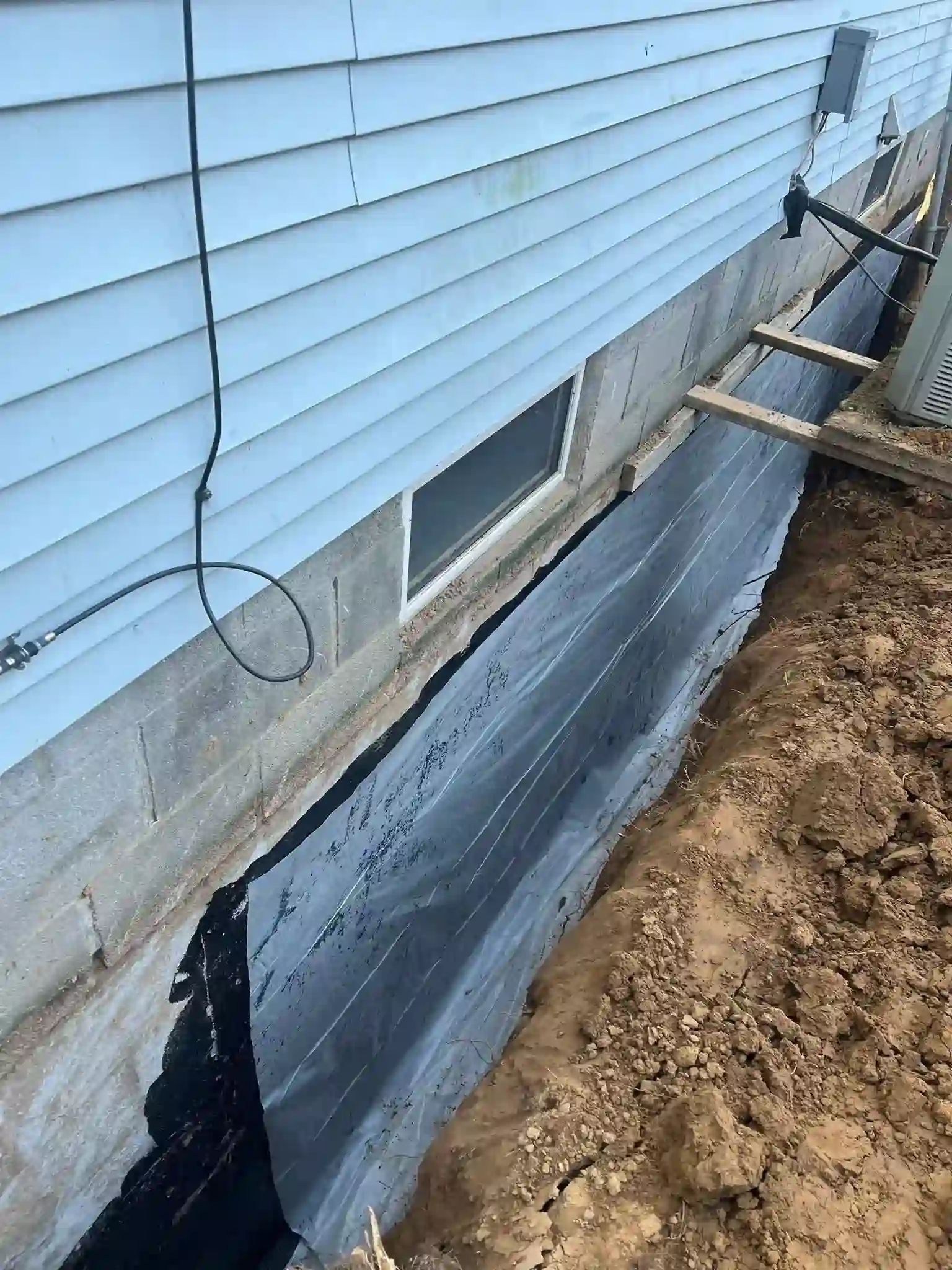
Exterior systems involve excavating down to the footing, cleaning the wall, applying a waterproof membrane and installing new drain tile against the outside of the foundation. More invasive and more expensive, but it stops the water before it touches your foundation at all, which also protects the concrete or block itself from decades of saturation.
Which is right depends on your house, not on what we would rather sell. Exterior is usually the better answer where there is severe hydrostatic pressure, deteriorating block or an accessible dig area. Interior is often the sensible answer for a row of Chicago homes with three feet between them and no way to get equipment down the side.
We will tell you which one your home actually needs and why.
You will be quoted for one or the other, so it is worth understanding the difference before anyone gives you a number.
We inspect the basement, the foundation walls, the exterior grade, your gutters and downspouts, and the sump system. We look for where the water is actually coming from, not just where it is showing up.
You see what we found, with photos, explained in plain English. If there is more than one way to solve it, you hear all of them, with the honest trade offs.
Itemized and clear. You know the scope, the price and the timeline before anything starts.
Installed properly, site protected, cleaned up afterward, and photographed on completion. Then it is warranted.
North Side: Lincoln Park, Lakeview, Edgewater, Rogers Park, Uptown, Ravenswood, Andersonville, Albany Park, Irving Park, Portage Park, Jefferson Park, Norwood Park
Northwest Side: Logan Square, Avondale, Belmont Cragin, Dunning, Montclare, Hermosa
West Side: Wicker Park, Bucktown, Humboldt Park, Austin, Garfield Park, North Lawndale
South Side: Beverly, Mount Greenwood, Bridgeport, Hyde Park, South Shore, Chatham, Ashburn, Garfield Ridge
North Suburbs: Evanston, Skokie, Niles, Morton Grove, Park Ridge, Glenview, Wilmette, Des Plaines, Arlington Heights
West Suburbs: Oak Park, Berwyn, Cicero, Elmwood Park, Norridge, Elmhurst, La Grange, Hinsdale, Downers Grove, Naperville
South Suburbs: Oak Lawn, Orland Park, Tinley Park, Evergreen Park, Palos Heights
We had ongoing water issues in our basement, especially after heavy rain. Chicago Basements Waterproofing & Foundation identified the problem quickly and completed the waterproofing work professionally. Our basement is now dry and protected.